

Our Environmental engineers are experts in stormwater management through years of research and experience in the fields of contaminant management, flood control and sediment control.
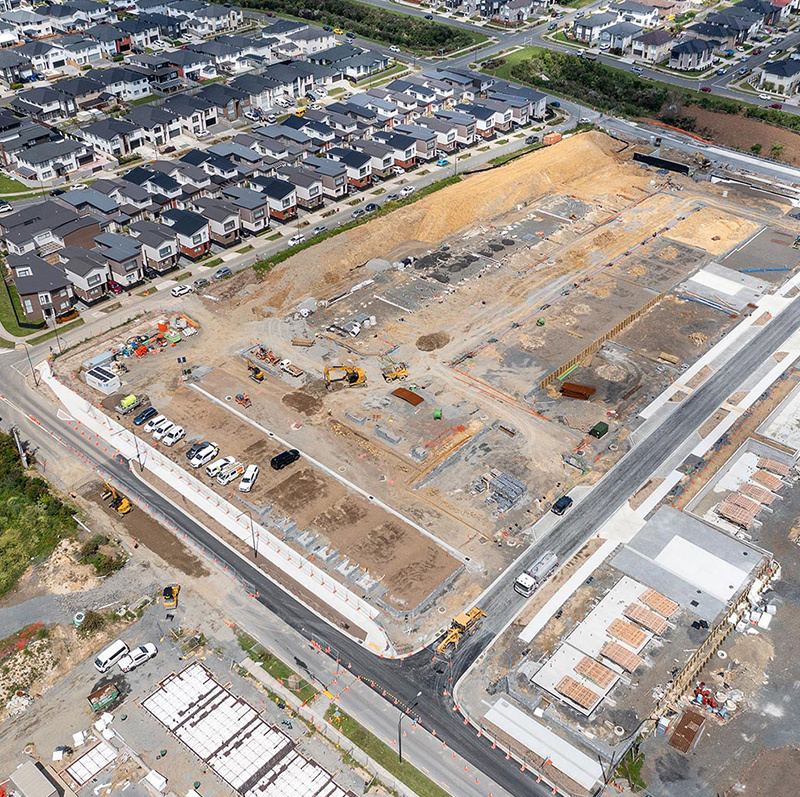
Civix is a leading provider of bioretention design services in New Zealand. We provide a wide range of bioretention devices, including raingardens, swales, filter strips, and greenroofs.
Find More
We are a full-service civil engineering firm based in Auckland, New Zealand. Our team of experts offers a wide range of services, including chemical treatment management plans for sediment retention ponds.
Find More
We're a New Zealand-based company that specialises in contaminant load modelling, using software to simulate treatment devices such as raingardens, street sweeping, wet detention ponds, wetlands, filters, swales, infiltration surfaces, catch-pits and porous paving.
Find More
Civix is a team of designers, engineers, and support staff who specialise in designing and installing soak pits. Soak pits are used to collect water from stormwater systems and provide it with a place to sit until it can be treated by the city's wastewater treatment facility.
Find More
Our team can help you develop a plan that will reduce the amount of dirt, gravel, rock, and other debris that's washed away from your construction site.
Find More
We're a New Zealand-based company that specialises in contaminant load modelling, using software to simulate treatment devices such as raingardens, street sweeping, wet detention ponds, wetlands, filters, swales, infiltration surfaces, catch-pits and porous paving.
Find More
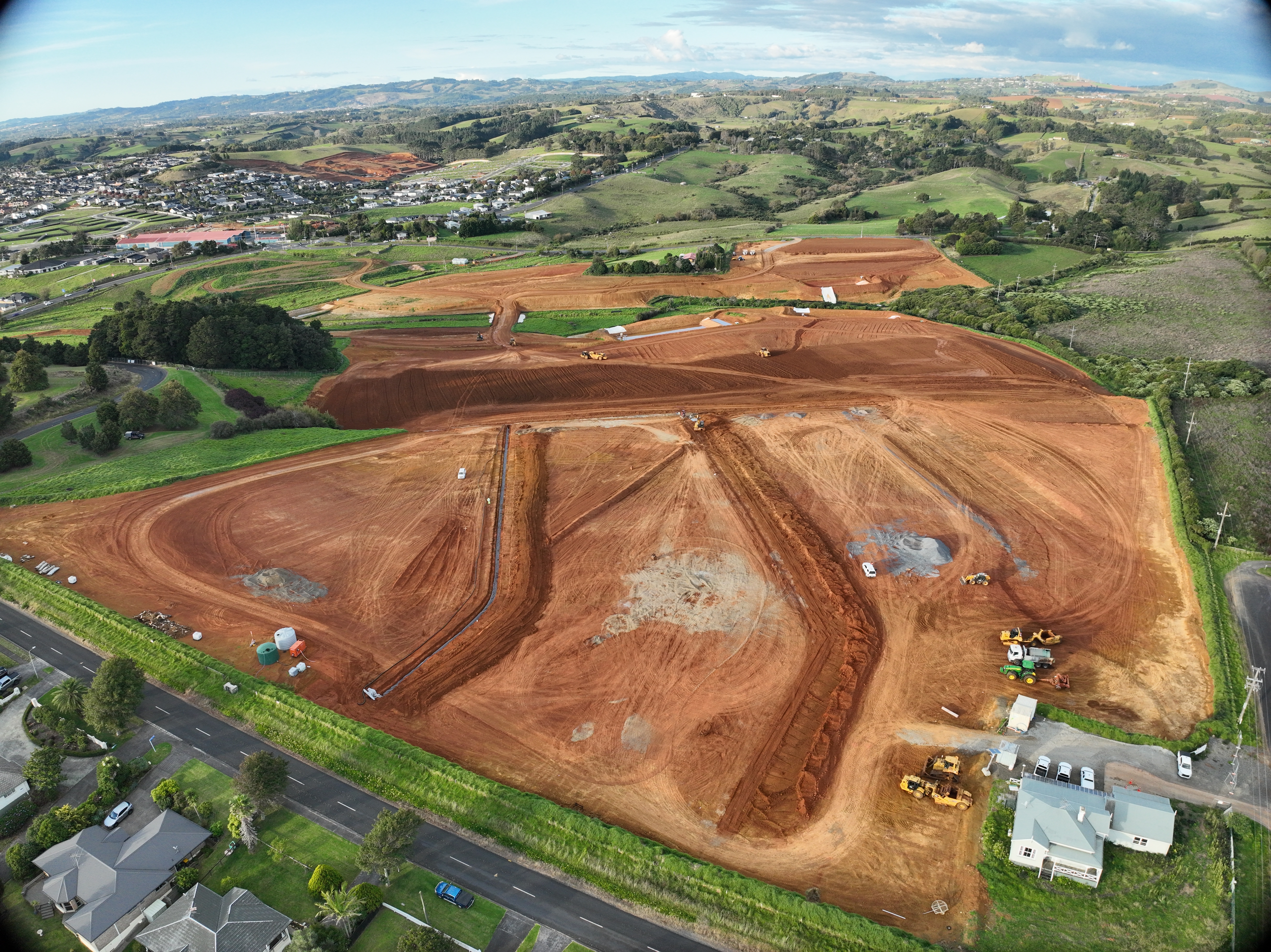
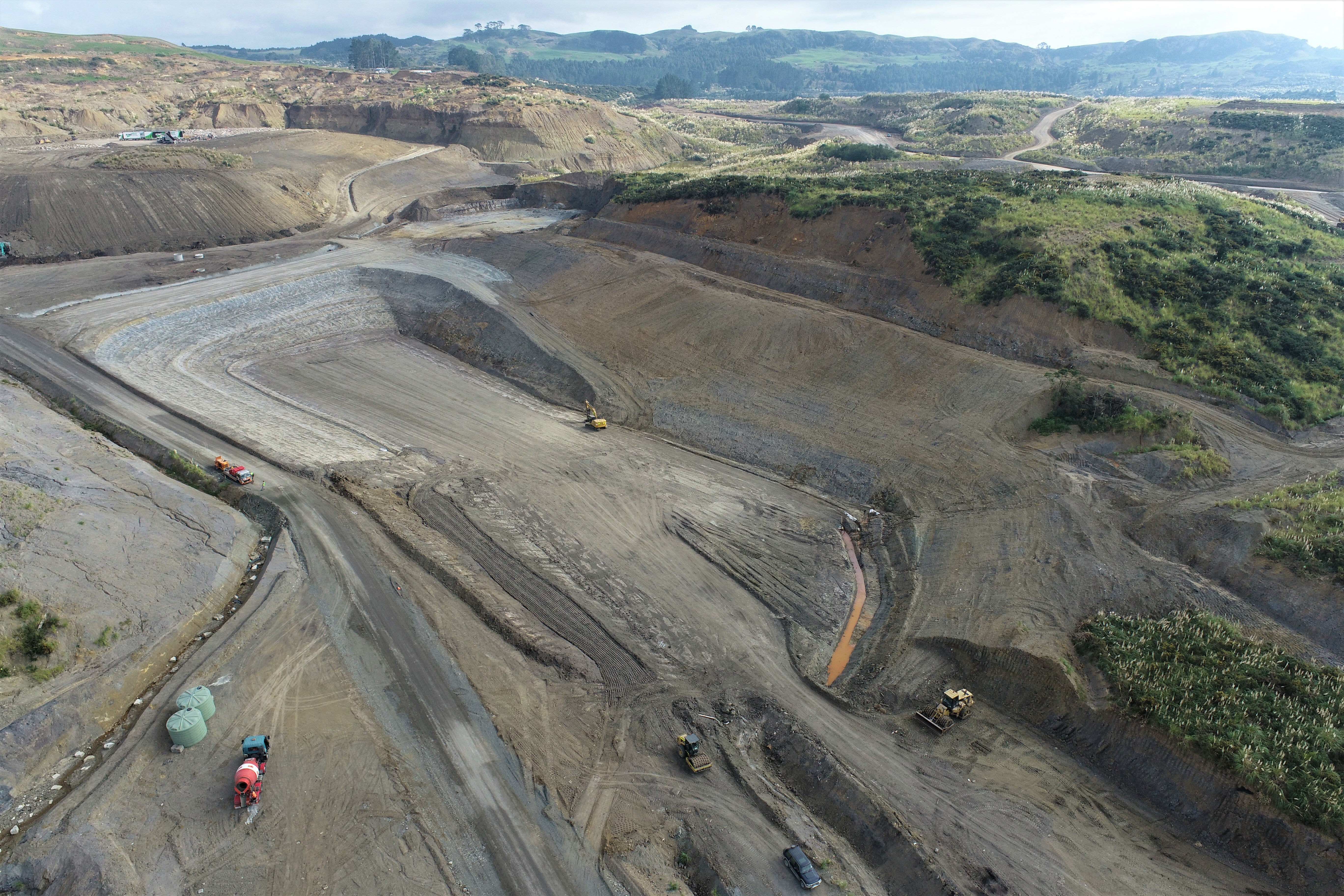
Earthworks are often one of the first major stages of a subdivision or land development project. They involve reshaping the existing ground so the site can support buildings, accessways and other future construction.
READ MORE Engineering approval is the stage where detailed civil plans are reviewed before construction begins. It is commonly required for subdivisions and developments involving earthworks, roads, accessways, drainage or connections to public infrastructure.
READ MORE Flood-related constraints can affect where buildings are placed, how high finished floor levels need to be and how stormwater is managed across a development site.
READ MORE Access design affects how safely and easily vehicles can enter, leave and move around a property. It can also influence the wider layout of a subdivision or development, including building placement, earthworks and service connections.
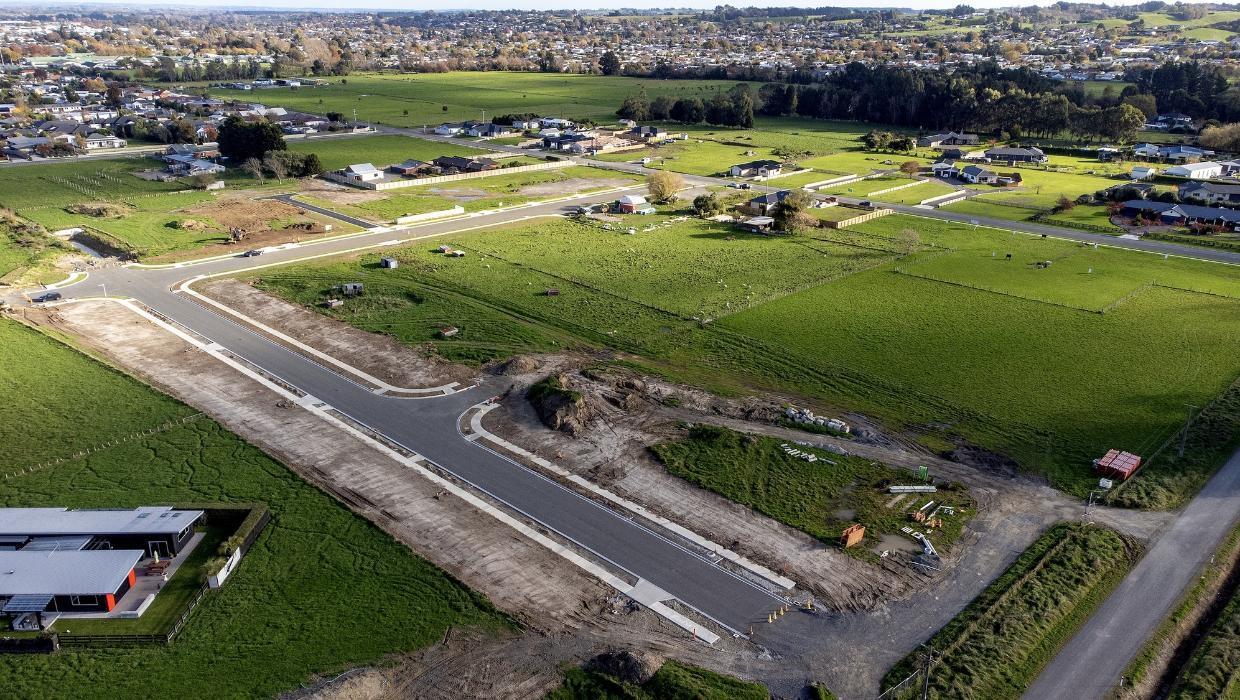
READ MORE Site services are the systems that allow a development to connect with essential infrastructure. For most subdivision and land development projects, this includes water supply, wastewater disposal and stormwater management.
READ MORE Earthworks can significantly change the way water moves across a development site. Once vegetation is cleared or soil is exposed, rainfall can loosen and carry sediment into stormwater networks, neighbouring properties, streams and other receiving environments.
Flood risk is not always obvious when looking at a property. A site may remain dry in normal conditions but still sit within a flood-prone area or carry significant surface water during heavy rainfall.
READ MORE Stormwater treatment is an important part of many subdivision, land development and infrastructure projects. As sites are developed, buildings, roads, car parks and other hard surfaces can increase the volume and speed of runoff while also changing the types of contaminants entering the stormwater system.
Development usually increases the amount of hard surface on a property. Roofs, driveways, roads and paved areas prevent rainfall from soaking naturally into the ground, which can increase the volume and speed of stormwater runoff.
Earthworks can produce sediment-laden runoff when exposed soil is disturbed by rainfall. Standard erosion and sediment controls are often used to slow this water and allow suspended soil particles to settle before discharge.
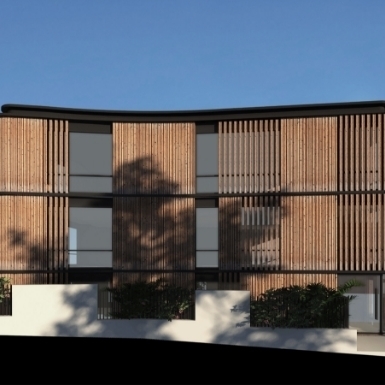
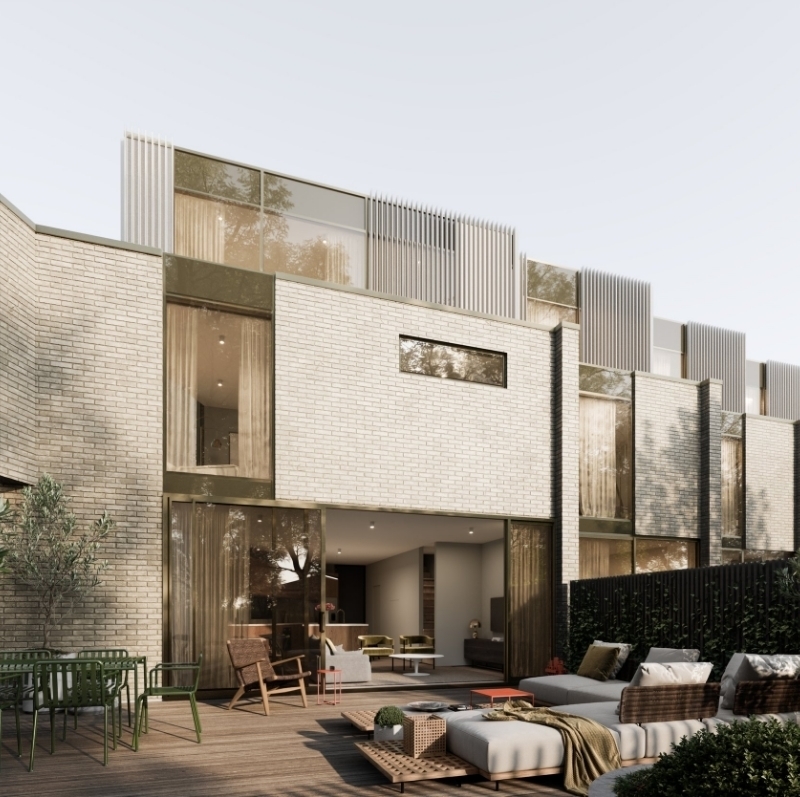
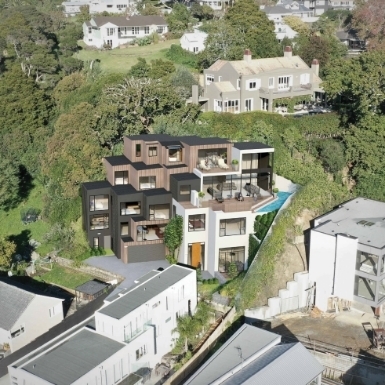
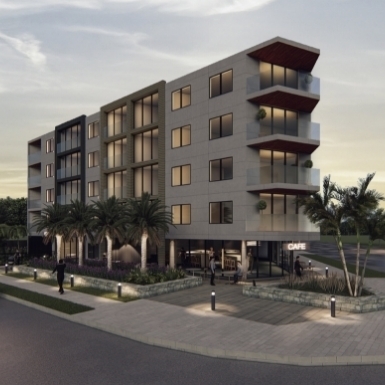
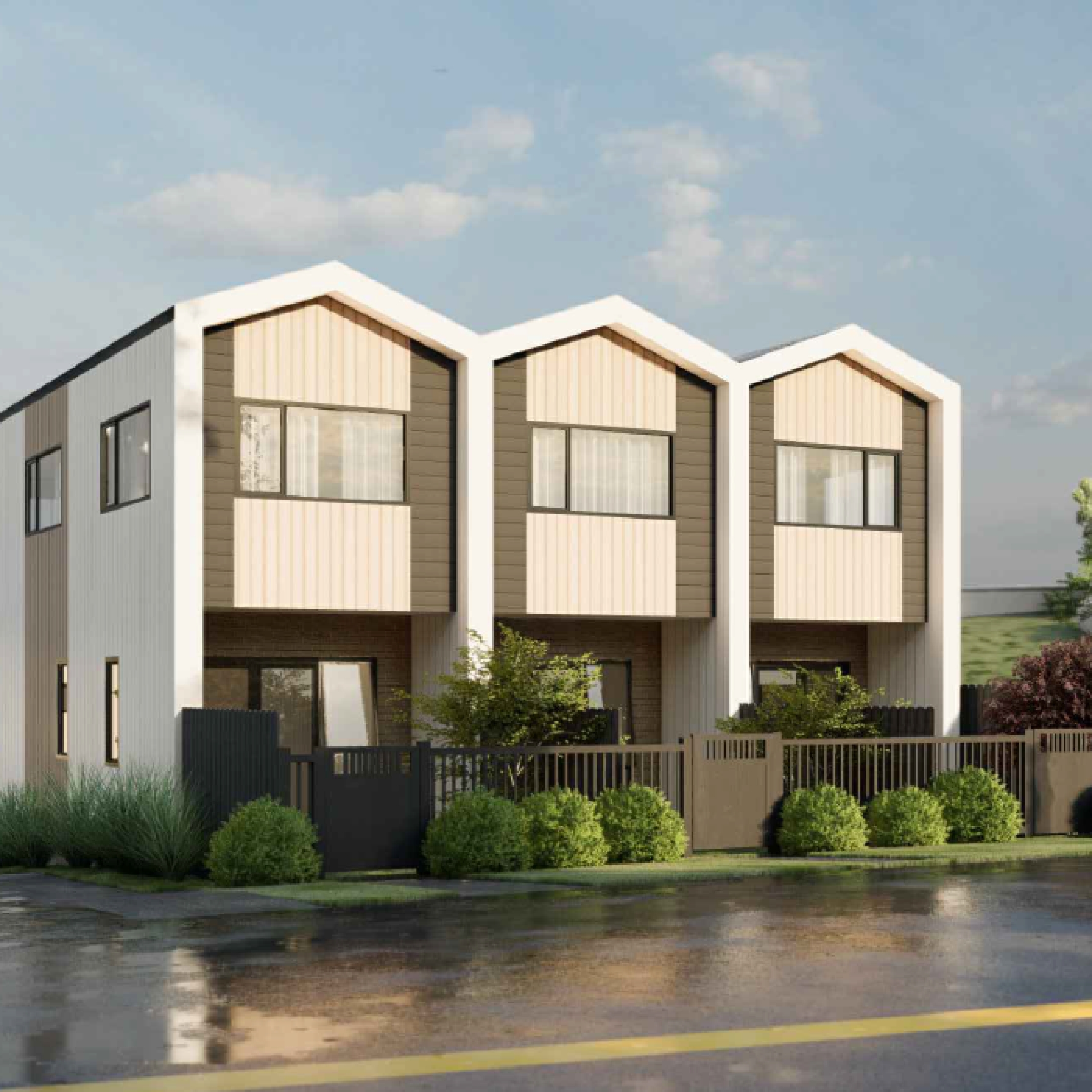









For private land developments, Civix Town Planners, Chartered Engineers and Licensed Cadastral Surveyors have got you covered from the initial site visit through to council sign off.
Contact UsALL RIGHTS RESERVED CIVIX LIMITED 2022 © Website & SEO Services by